A Franciscan mission settlement
Franciscan missionaries established a Christian settlement at Cagsawa in the late 16th century. This is the beginning of the community's church history—not the construction date of every stone now visible.
History
Cagsawa's surviving fabric connects a colonial settlement, an 18th-century church, the destructive 1814 eruption and the work of protecting a national treasure.
Franciscan missionaries established a Christian settlement at Cagsawa in the late 16th century. This is the beginning of the community's church history—not the construction date of every stone now visible.
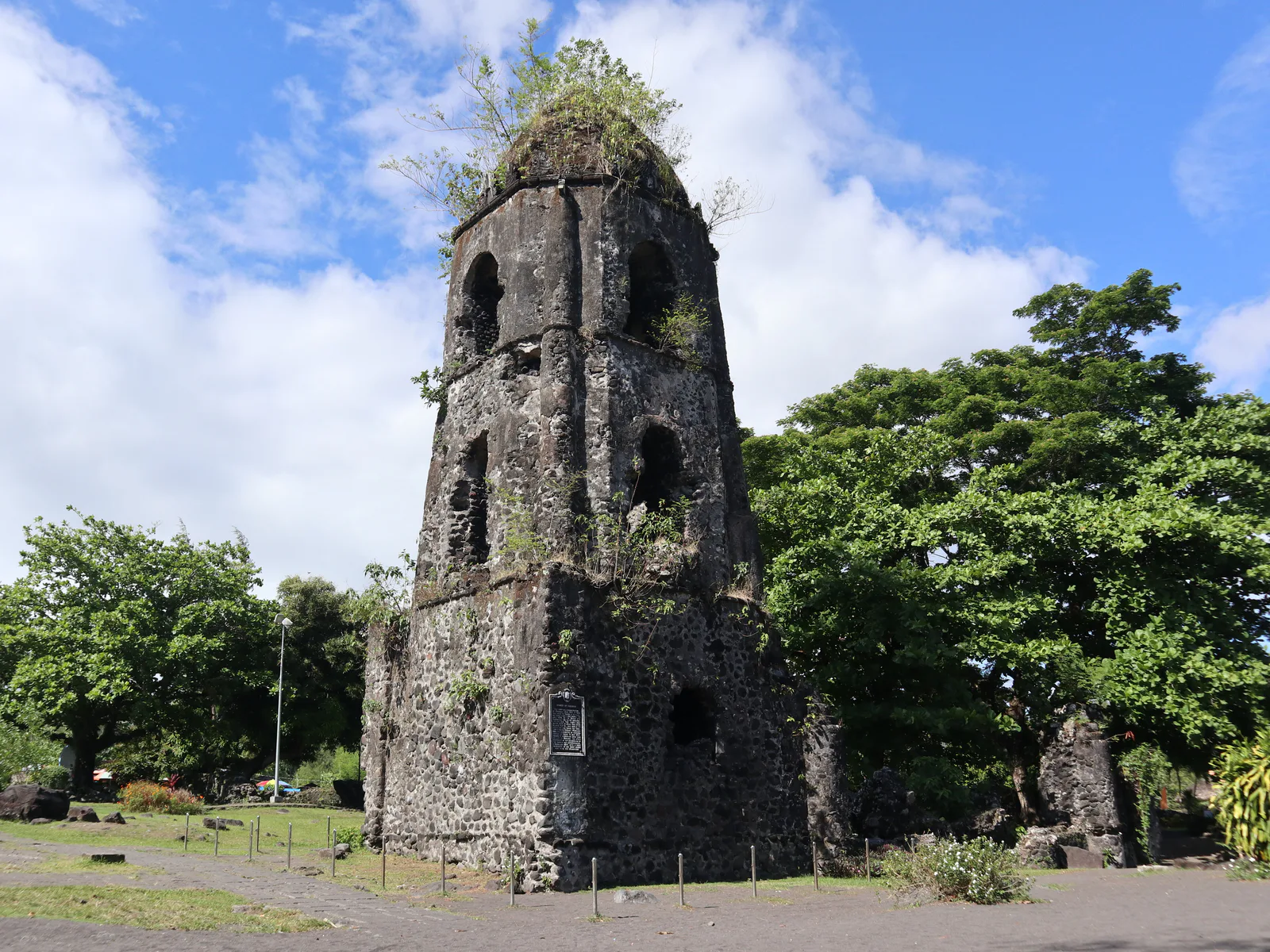
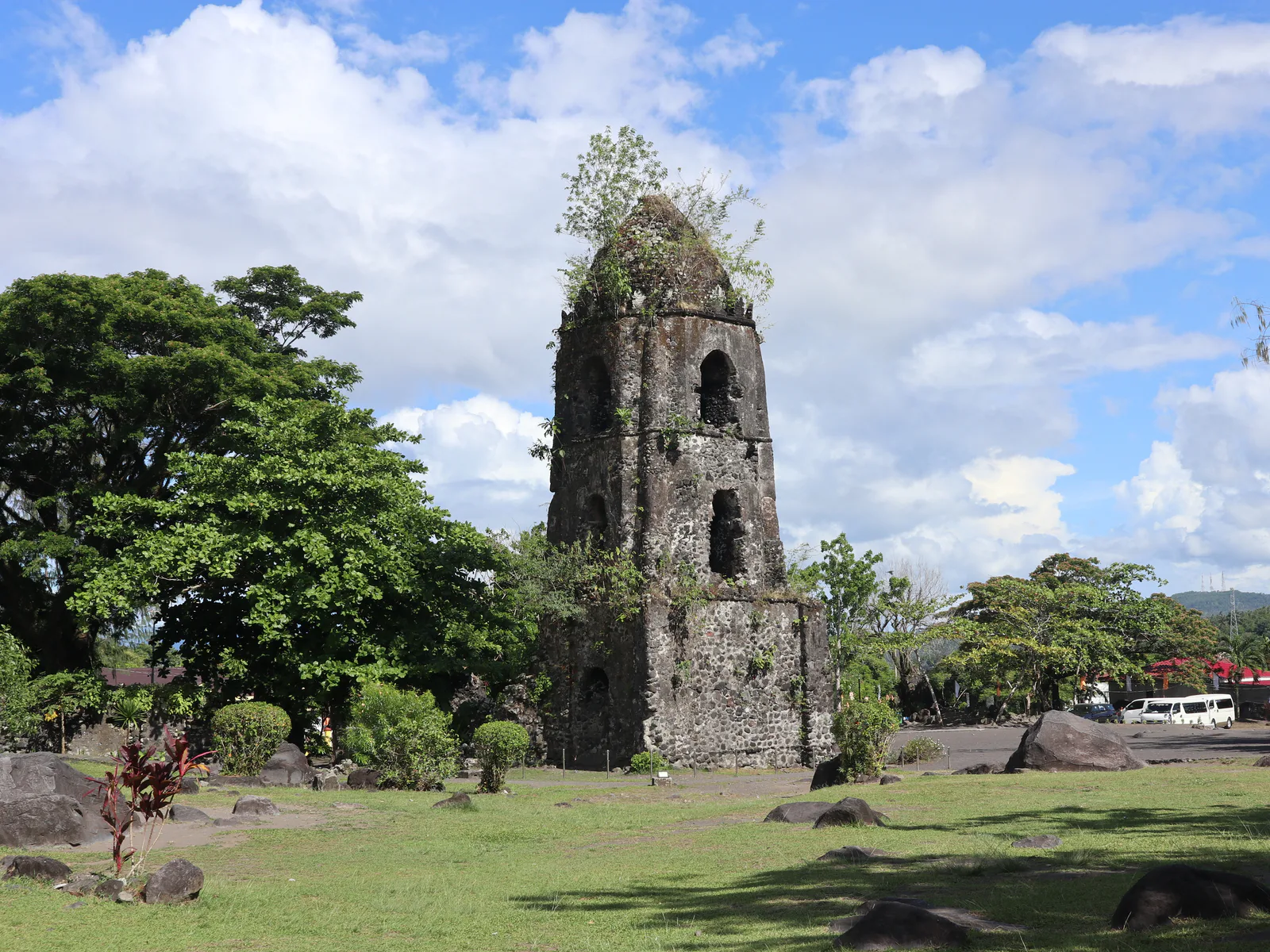
The standing ruins are associated with the substantial 18th-century church built or rebuilt at Cagsawa. Distinguishing this structure from the earlier mission keeps the chronology clear.
Mayon's eruption obliterated Cagsawa and other surrounding towns. The National Museum links boulders and deposits in this landscape to that event. The tower and masonry became a lasting marker of loss and survival.
The National Museum declared the Cagsawa Ruins a National Cultural Treasure. Protection applies to the ruins as a cultural property, not just to the most photographed view.
Look again
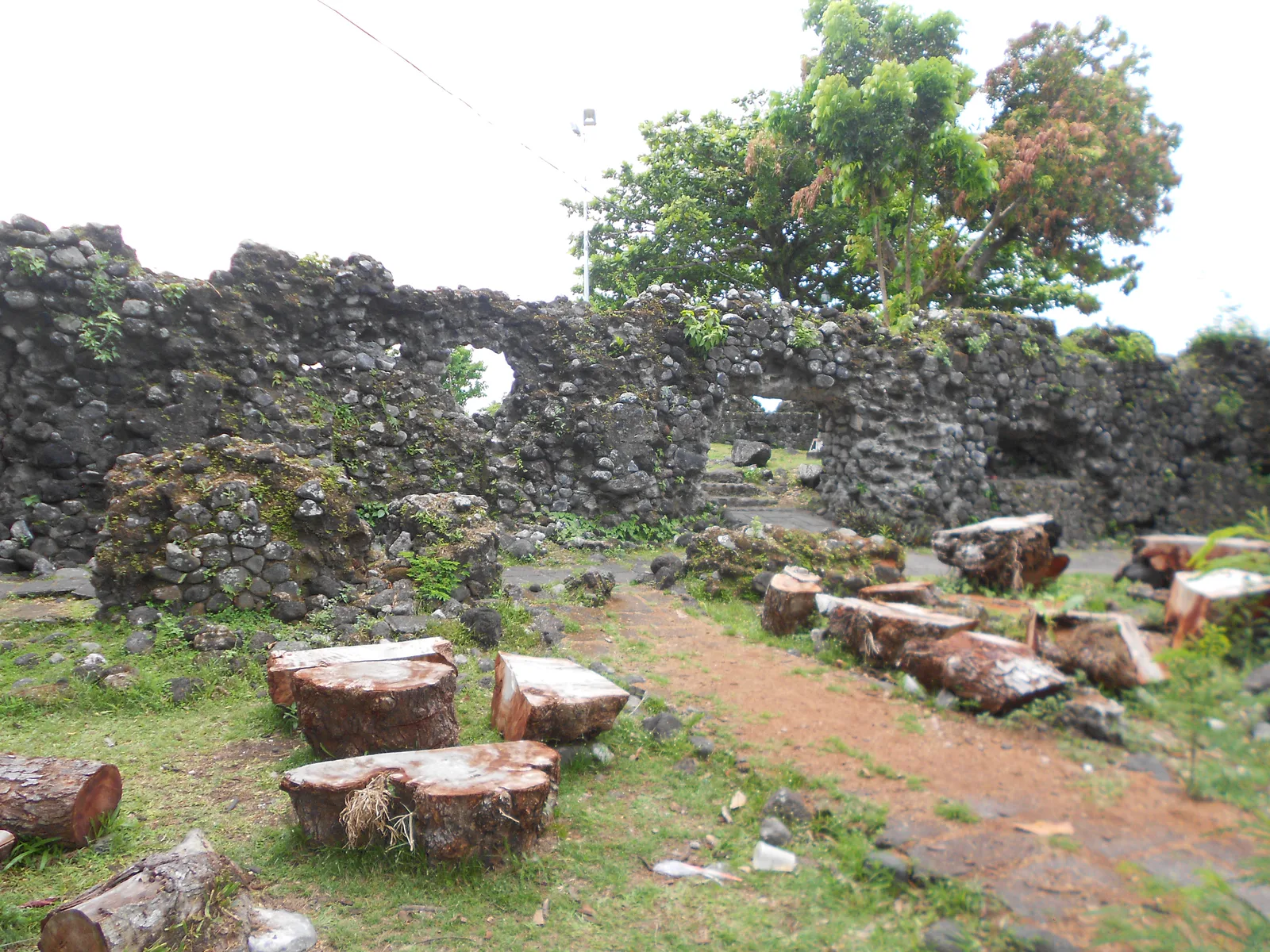
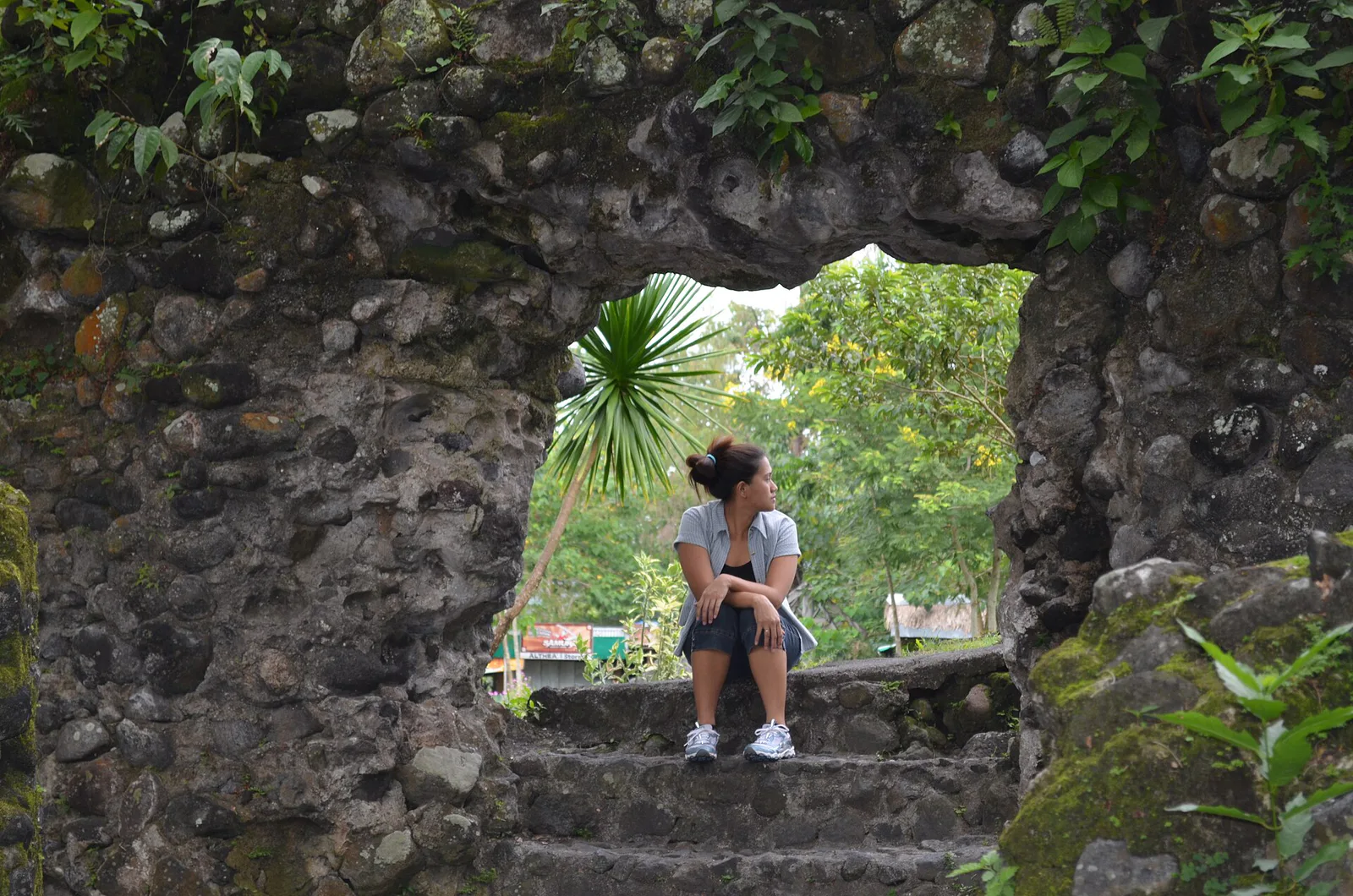
Church walls, arches and other stone structures remain across the park. Their proportions help reconstruct how the complex functioned before the eruption.
The site's familiar image can encourage a quick photograph and departure. A slower circuit reveals material, craft and spatial clues that deserve the same care as the belfry.
Continue with primary sources
Accounts repeated online sometimes blur the early mission, the later church and stories attached to the 1814 disaster. These institutional sources are a better starting point.